

Why Spare Parts Are Critical to Filtration Performance
For plant and maintenance managers, the performance of an industrial filtration system is directly tied to operational efficiency. When filtration runs smoothly, product quality is consistent, downtime is minimised, and production targets are met. When it doesn’t, the consequences are immediate—lost output, increased maintenance costs, and potential quality issues.
While much attention is often given to system design and initial equipment selection, long-term performance depends just as heavily on something more routine: spare parts management.
The Hidden Impact of Wear Components
Even the most advanced filtration systems rely on components that naturally wear over time. Among the most critical are filter cloths and pressure filter leaf elements.
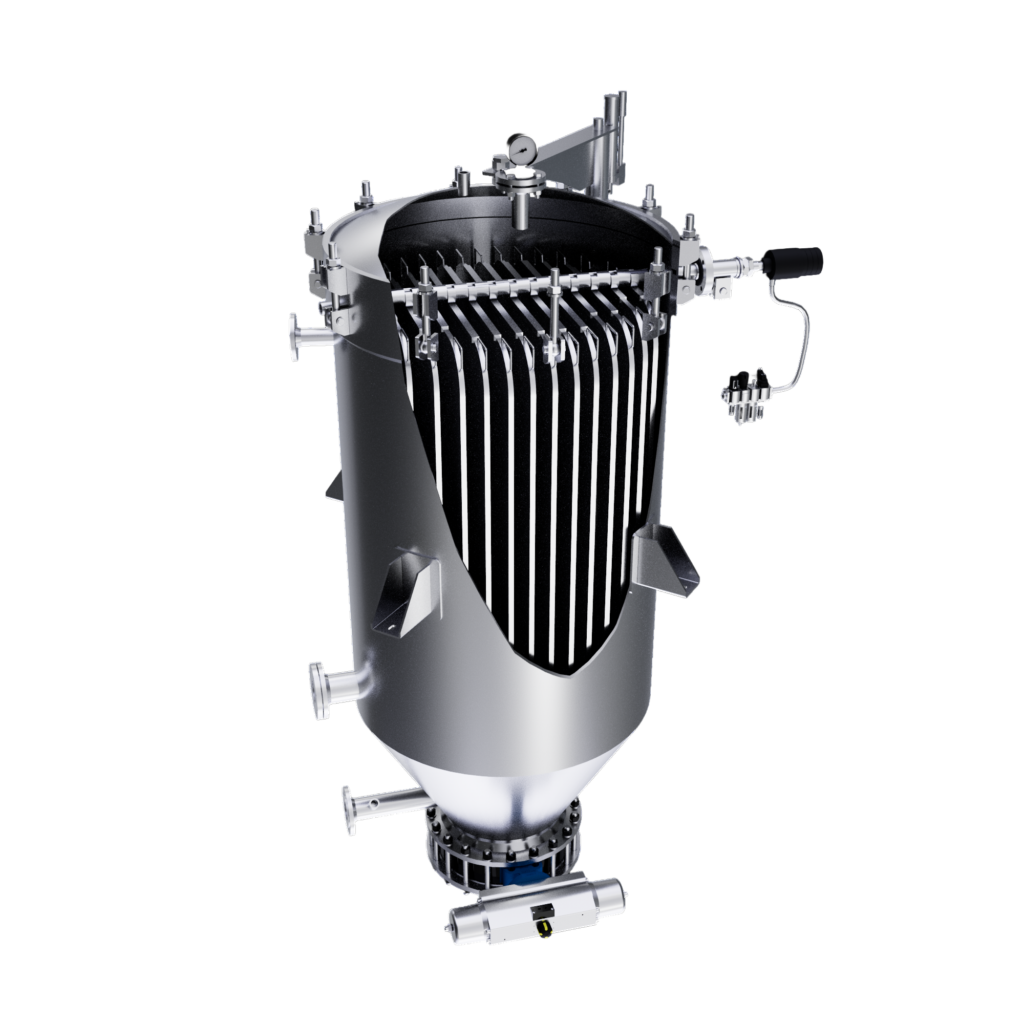
Pressure filter leaf elements must maintain their structural integrity and surface condition to ensure effective filtration. Any degradation can compromise performance and place additional strain on the system.

Filter cloths are at the heart of the separation process. Their material, weave, and condition directly influence filtration efficiency, cake release, and cycle times. Over time, cloths can become damaged, or less permeable—leading to reduced throughput and inconsistent results.
Ignoring these components until failure occurs is a common—and costly—mistake.
Consistency Starts with Maintenance
Proactive replacement of key spare parts delivers several important benefits:
- Consistent product quality – Stable filtration conditions ensure uniform clarity and specification compliance.
- Reduced downtime – Planned maintenance avoids unexpected stoppages.
- Optimised cycle times – Clean, effective media maintains efficient throughput.
- Extended equipment life – Preventing strain on the system reduces long-term wear.
In many cases, simply upgrading or correctly selecting filter cloths can significantly improve performance without any need for capital investment.
Supporting Both Modern and Traditional Systems
Whether you are operating automated filtration systems like the Cricketfilter® or more conventional pressure leaf filter systems, the principle remains the same: reliability depends on the condition of your components.
Automated systems may reduce manual intervention, but they still rely on high-performing consumables to deliver consistent results. Likewise, traditional systems can often be enhanced dramatically through improved spare parts selection and maintenance practices.
A Smarter Approach to Spare Parts
Forward-thinking operations treat spare parts not as an afterthought, but as a strategic element of process optimisation. This includes:
- Holding the right critical spares in stock.
- Reviewing performance trends to anticipate replacement needs.
- Selecting materials and designs suited to the specific application
- Partnering with suppliers who understand the process, not just the product.
Conclusion
Filtration performance isn’t just about the system you install—it’s about how you maintain your filtration system.
By prioritising the timely replacement and optimisation of key components like filter cloths and pressure leaf filter elements, plants can achieve greater stability, improved efficiency, and longer equipment life.
In a competitive production environment, that’s not just good maintenance practice—it’s a clear operational advantage.